“Knowledge of the Orient, because generated out of strength, in a sense creates the Orient, the Oriental, and his world.”
Quotes by Edward W. Said, each taken word for word from their books in the Ominira library.
“Knowledge of the Orient, because generated out of strength, in a sense creates the Orient, the Oriental, and his world.”
“The Orient was almost a European invention, and had been since antiquity a place of romance, exotic beings, haunting memories and landscapes, remarkable experiences.”
“The Oriental is irrational, depraved (fallen), childlike, “different”; thus the European is rational, virtuous, mature, “normal.””
“Orientalism, then, is knowledge of the Orient that places things Oriental in class, court, prison, or manual for scrutiny, study, judgment, discipline, or governing.”
“Orientalism as a Western style for dominating, restructuring, and having authority over the Orient.”
“Survival in fact is about the connections between things”
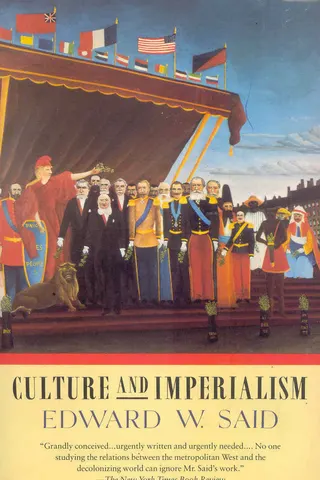
“The power to narrate, or to block other narratives from forming and emerging, is very important to culture and imperialism, and constitutes one of the main connections between them.”
“No one today is purely one thing. Labels like Indian, or woman, or Muslim, or American are not more than starting-points, which if followed into actual experience for only a moment are quickly left behind.”
“stories are at the heart of what explorers and novelists say about strange regions of the world; they also become the method colonized people use to assert their own identity and the existence of their own history.”
“Imperialism consolidated the mixture of cultures and identities on a global scale. But its worst and most paradoxical gift was to allow people to believe that they were only, mainly, exclusively, white, or Black, or Western, or Oriental.”
“The main battle in imperialism is over land, of course; but when it came to who owned the land, who had the right to settle and work on it, who kept it going, who won it back, and who now plans its future—these issues were reflected, contested, and even for a time decided in narrative.”