African history books: from ancient Egypt to independence
African history is the history of the continent where humanity began, told as a story of its own: the Nile civilisations of Egypt and Kush, Aksum, the empires of Ghana, Mali and Songhay, the city-states of the Swahili coast, Great Zimbabwe, Benin, Oyo and Asante, and then four centuries of the slave trade, conquest and colonial rule, and the independence movements that ended it. For a long time it was written by outsiders who claimed Africa had no history before Europeans arrived; the books here were written to prove them wrong.
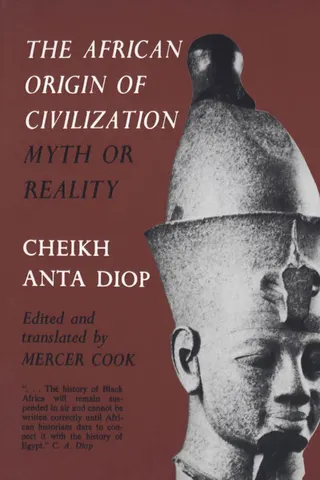
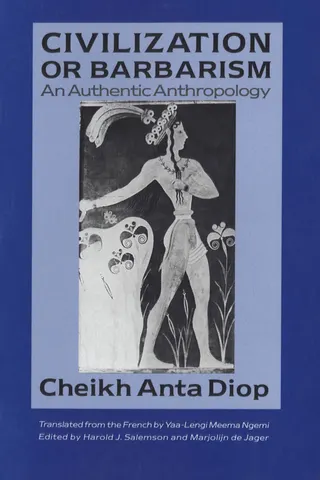
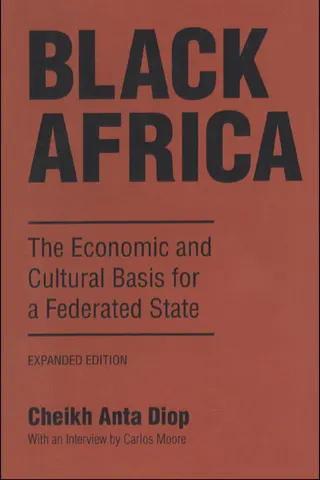
It matters because how Africans see their past shapes how they see their future. When Ibn Battuta visited Mali in 1352 he found a well-governed empire where travellers had nothing to fear from robbers; when Cheikh Anta Diop argued in the 1950s that ancient Egypt was an African civilisation, he was claiming that heritage for the continent.
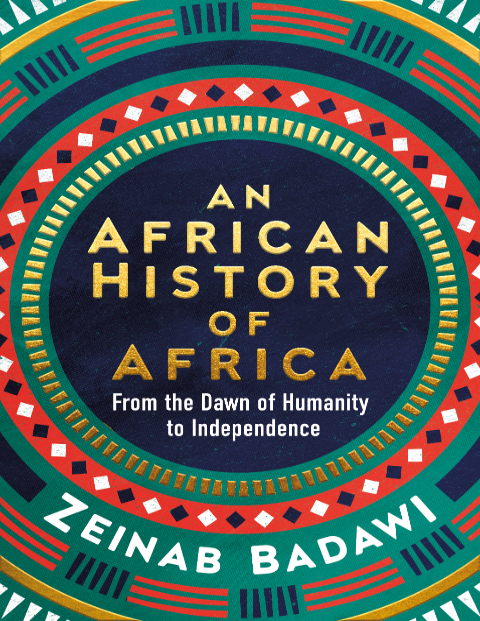
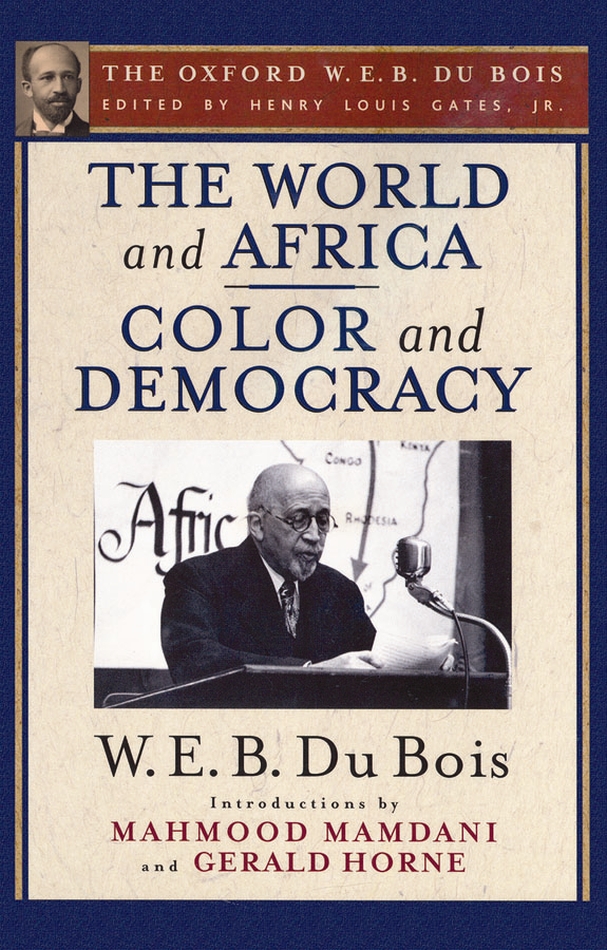
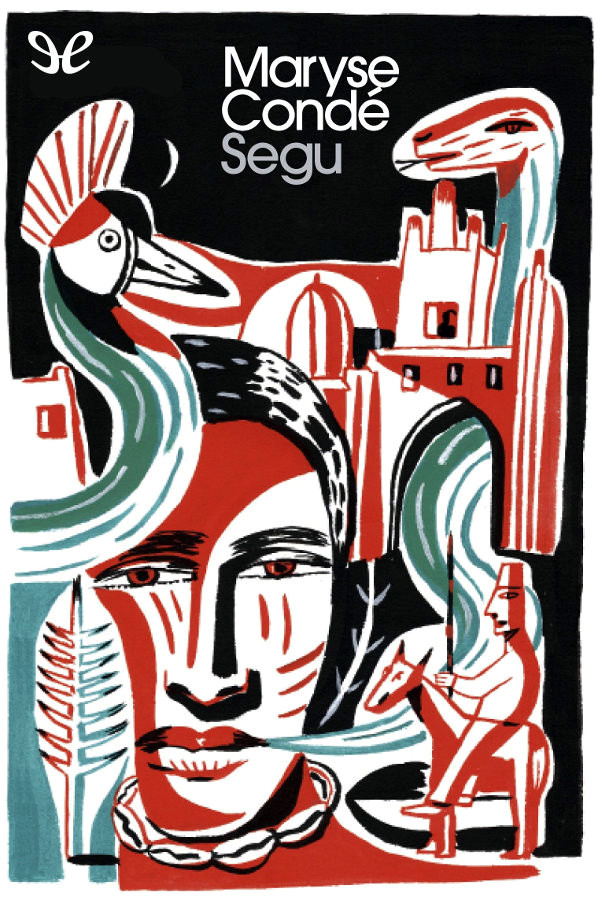
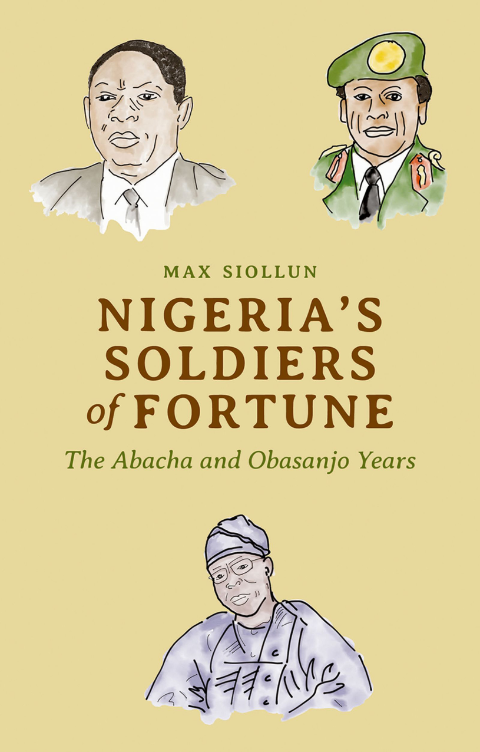
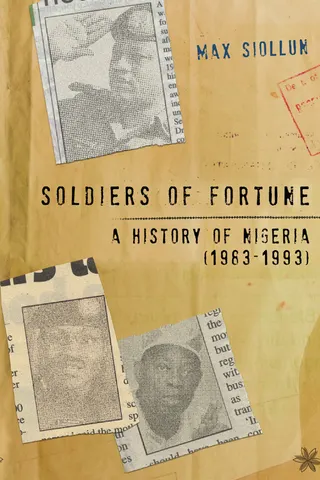
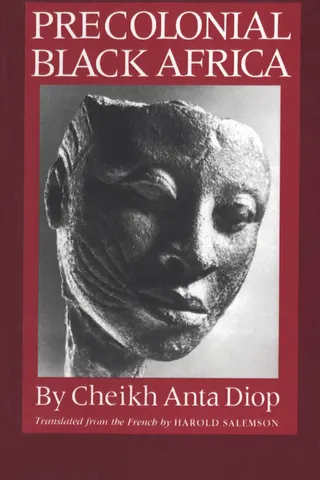
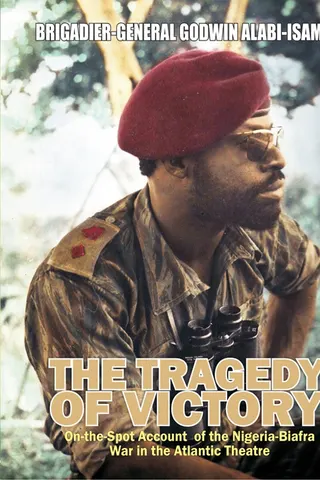
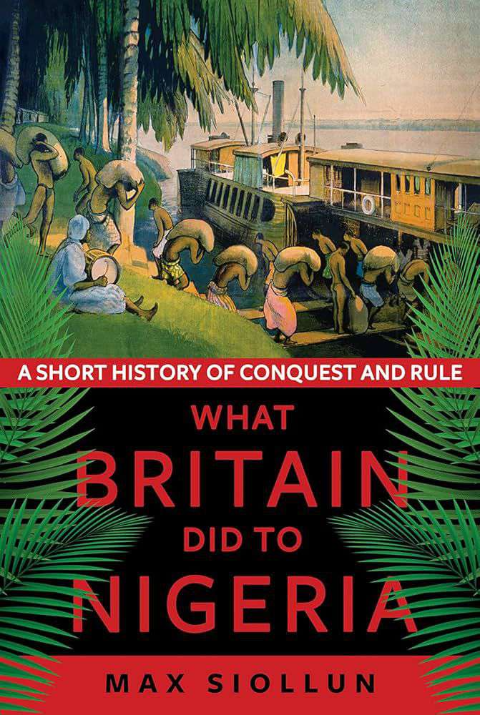
This reading path begins with broad histories, led by Zeinab Badawi's An African History of Africa, built on interviews with historians and griots across the continent, and Du Bois's The World and Africa. The second stage goes back to ancient and precolonial Africa: Diop, Basil Davidson's lost cities, the scholars of Timbuktu and Maryse Condé's novel of Segu. The third covers conquest and colonial rule, from the Congo to the Egba uprising against Lugard in 1918. The last follows independent Africa through Nkrumah's Ghana, the coup that toppled him, Nigeria's soldiers and the struggle over development.