Books on the Atlantic slave trade and slavery in the Americas
Between the early sixteenth century and the 1860s, European and American traders carried about 12.5 million Africans across the Atlantic; some 10.7 million survived the crossing to be enslaved in Brazil, the Caribbean, Spanish America and North America. Their stolen labour grew the sugar, tobacco, coffee and cotton on which the modern world economy was built. Britain abolished its slave trade in 1807 and slavery in its colonies in the 1830s; Brazil, the last country in the Americas to end slavery, did so only in 1888.
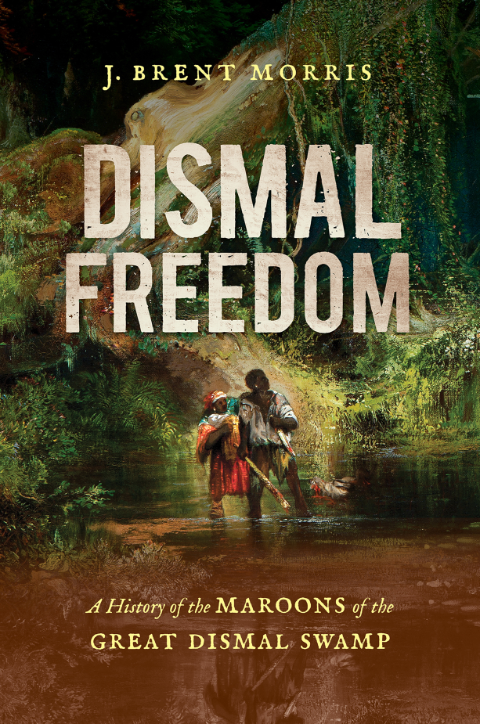
Slavery matters because so much of the present was made by it: the wealth of Europe and the Americas, the underdevelopment of Africa, the very idea of race. It also matters because the enslaved never accepted it. They ran away, built free maroon communities, rose in revolt, and forced the question of abolition onto the agenda of empires.
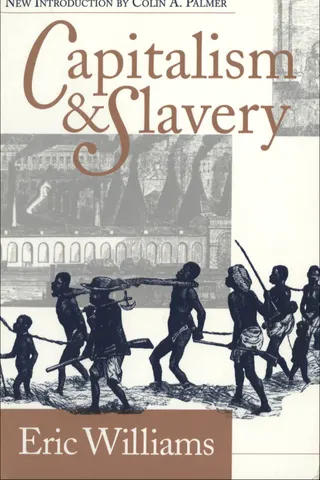
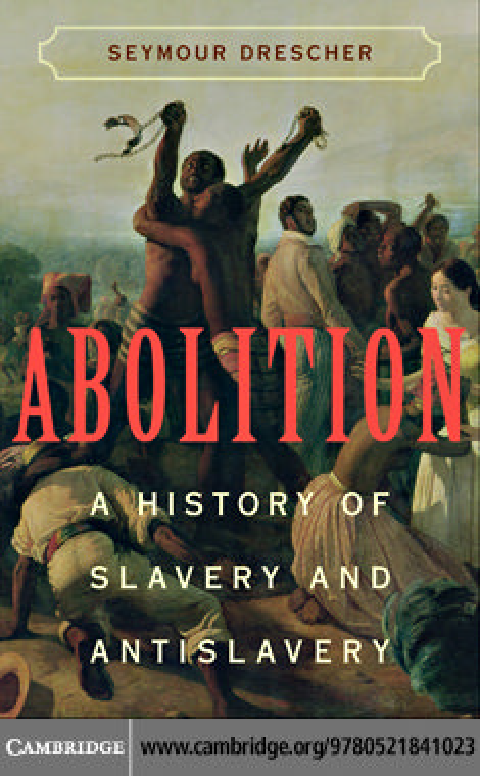
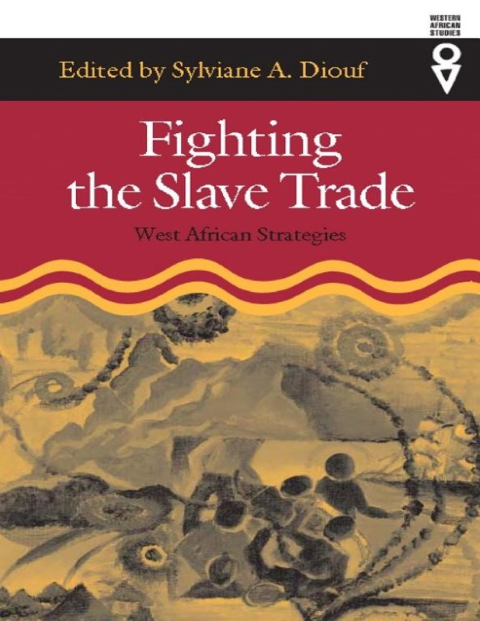
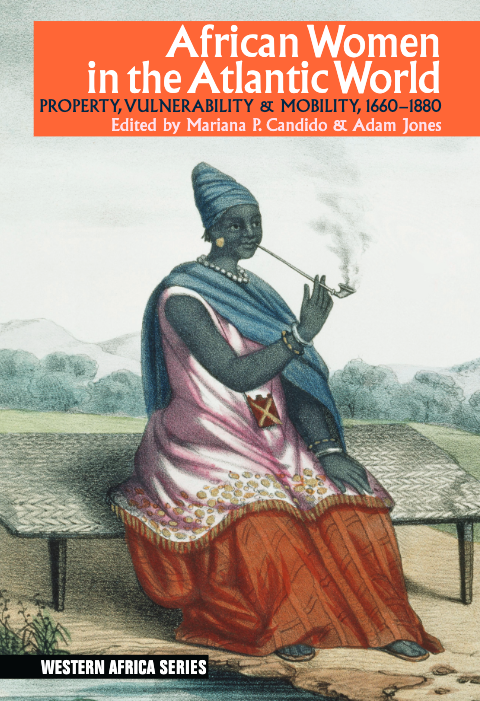
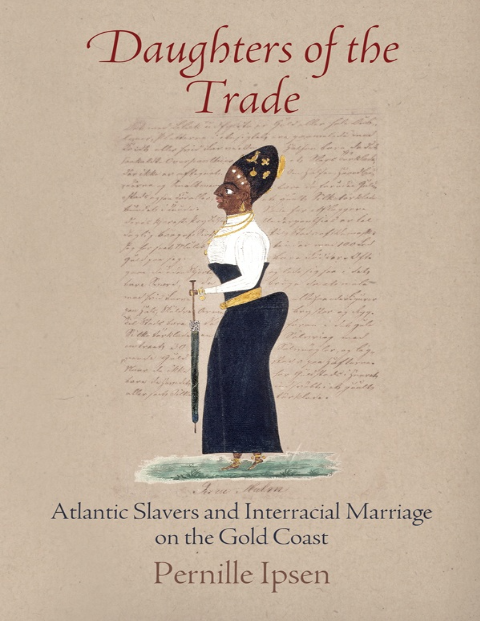
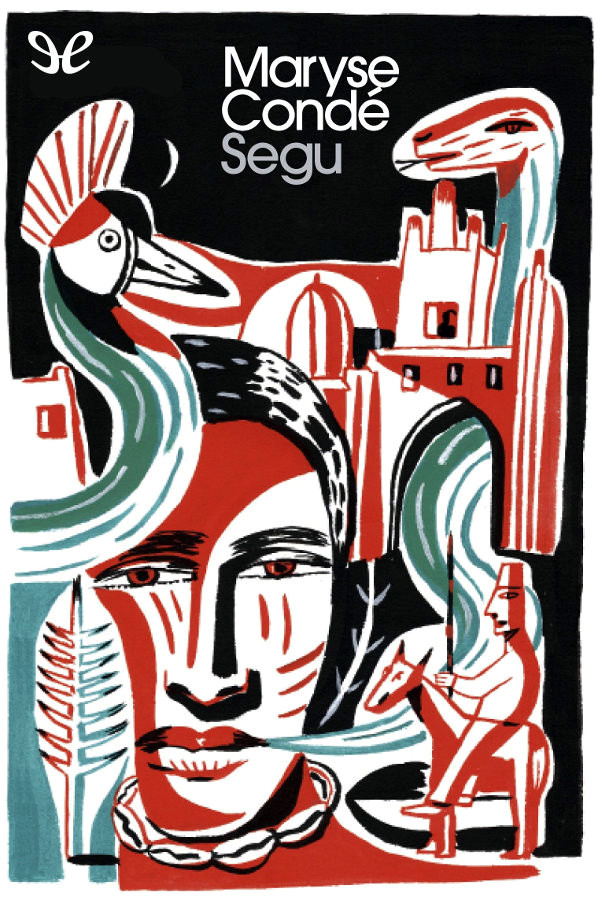
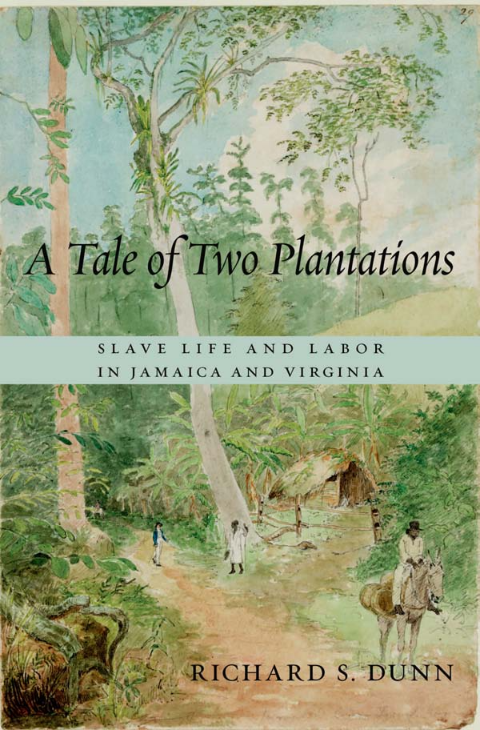
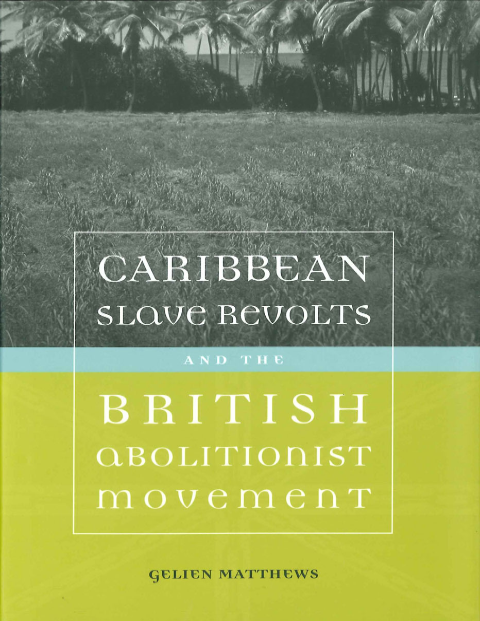
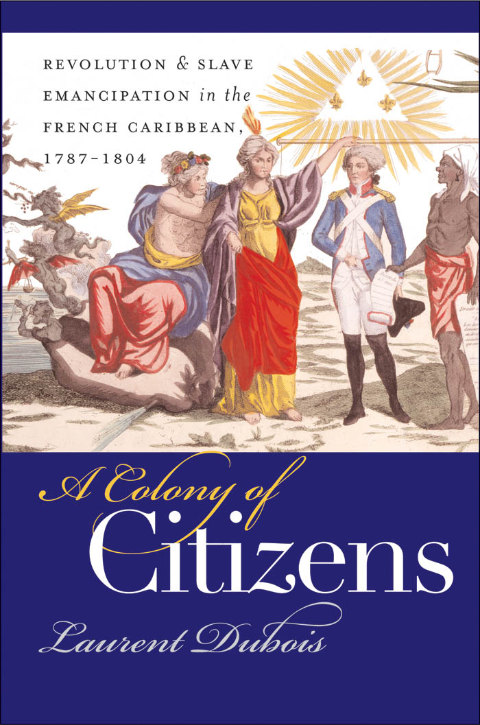
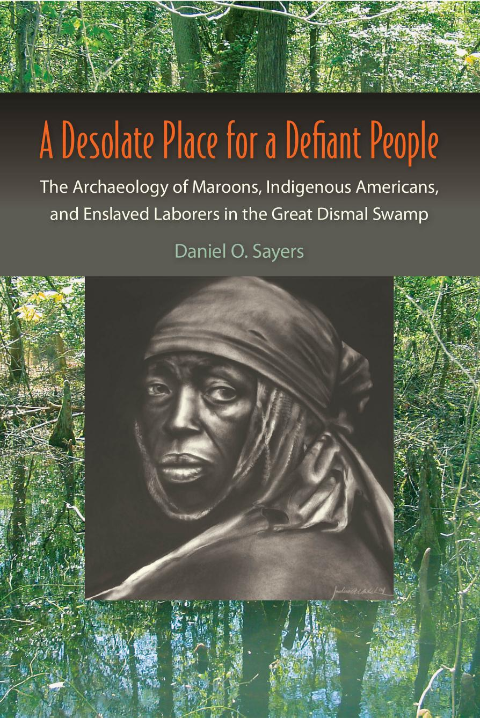
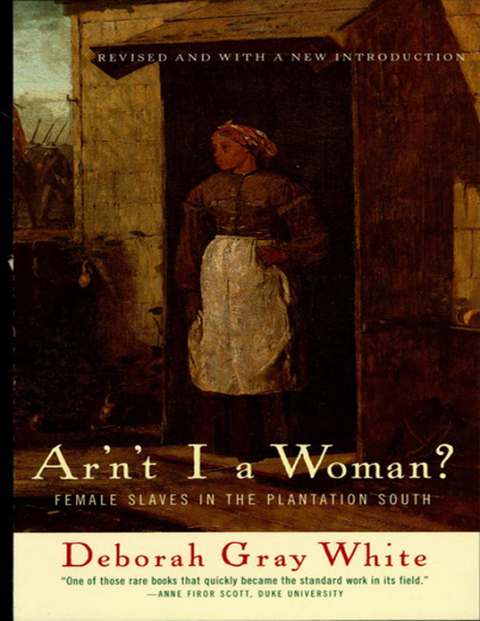
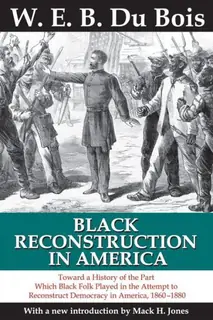
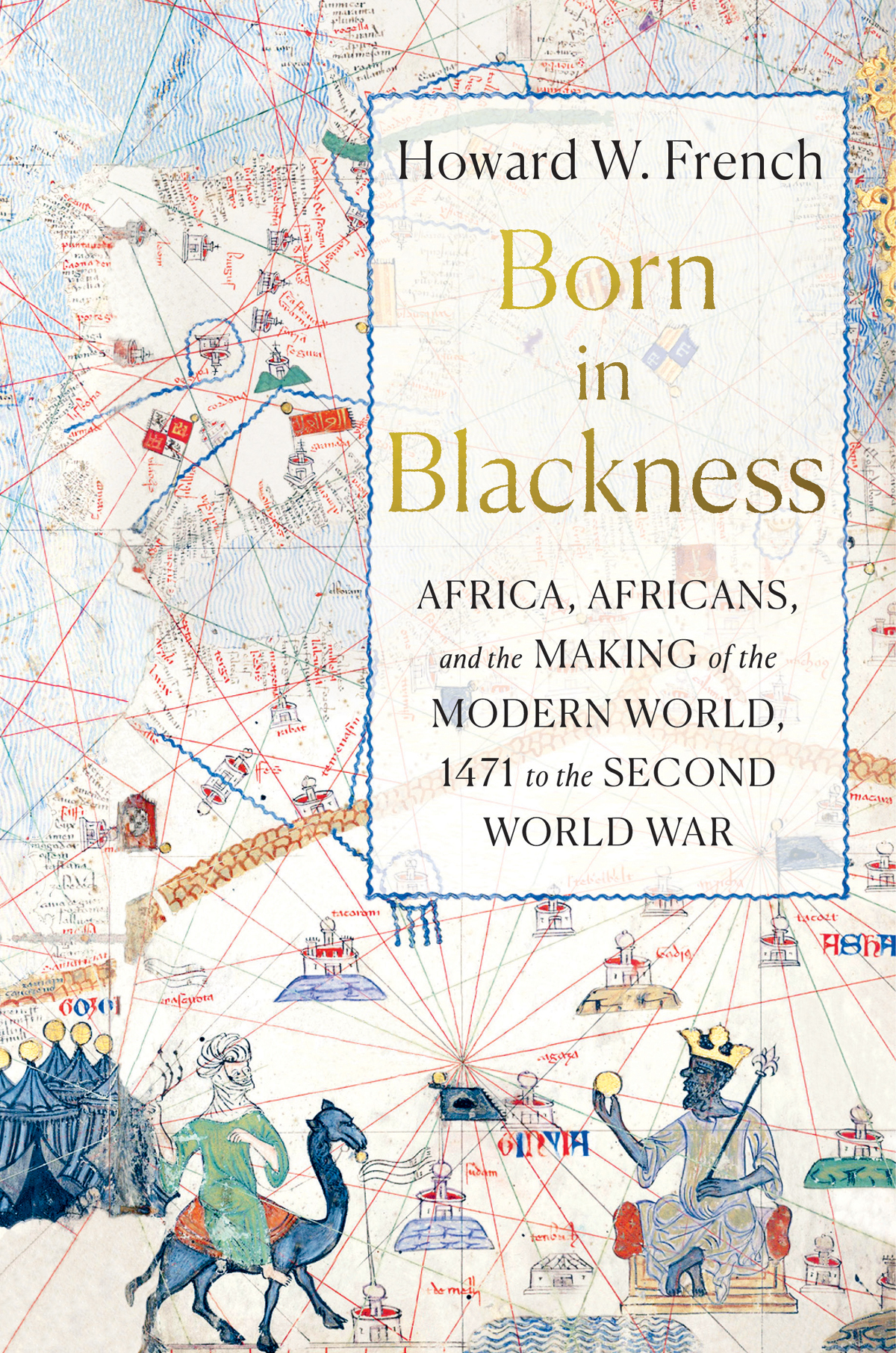
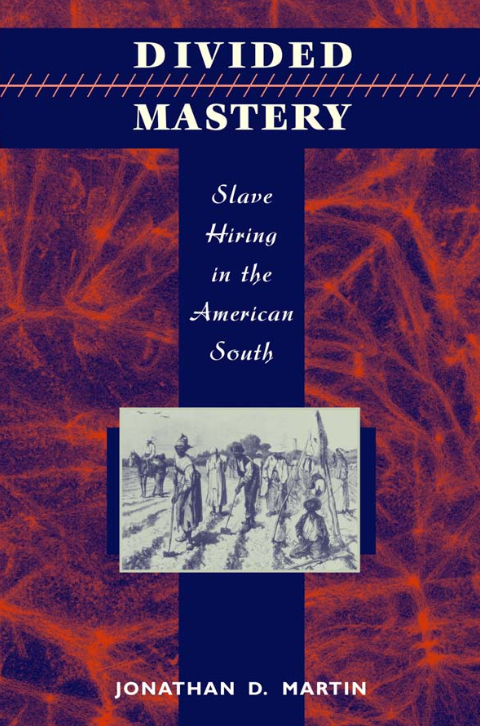
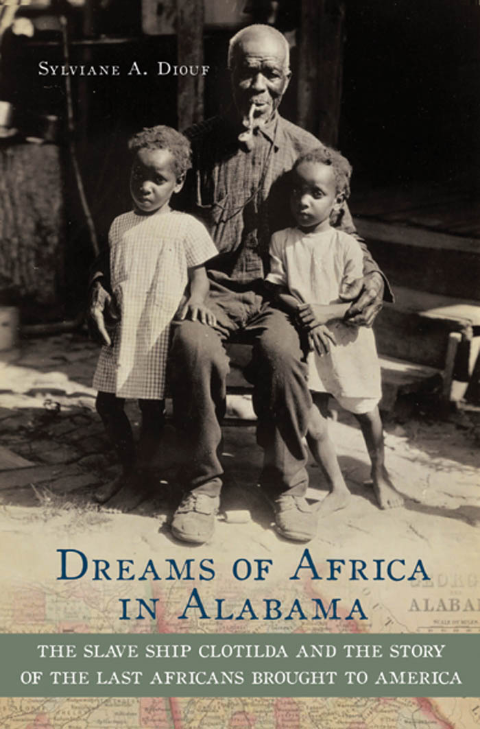
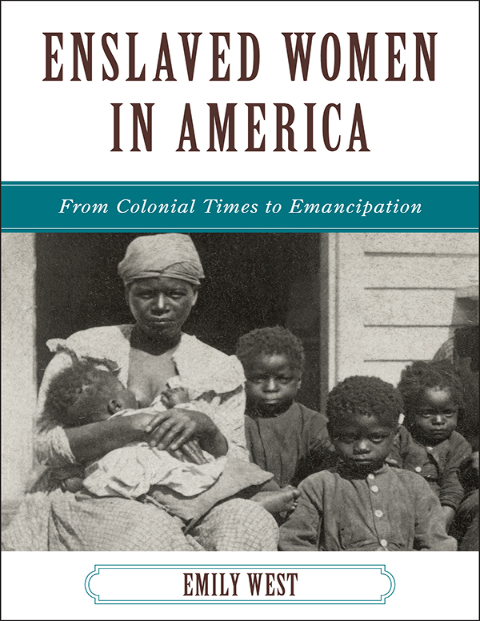
This reading path begins with four broad histories, among them Basil Davidson on the trade seen from Africa and Eric Williams on how slavery financed British capitalism. The second stage stays in Africa: how West Africans fought the trade, the African women who traded and married with Europeans on the coast, and Maryse Condé's novel of the kingdom of Segu. The third enters the plantations of Jamaica, Barbados and the American South, with special attention to enslaved women. The last stage follows the resistance: maroons, rebellions in Barbados, Jamaica and Brazil, and how revolt pushed Britain towards abolition.