Nigerian history books: from precolonial kingdoms to the Fourth Republic
Nigeria is Africa's most populous country, home to over 200 million people and more than 500 languages, and its history is a story of great precolonial states, a colony stitched together by Britain, and a republic that has lurched between coups, civil war and civilian rule since independence on 1 October 1960. Britain named the territory in the 1890s and amalgamated its northern and southern protectorates in 1914. Two coups in 1966 led to the Biafran war of 1967 to 1970, in which perhaps a million or more people died, most of them from starvation. Military rulers held power for most of the next three decades, annulling the election of 12 June 1993 and hanging Ken Saro-Wiwa in 1995, before civilian rule returned in May 1999.
It matters because Nigeria's past is still argued over in its present: in how the civil war is remembered, in the oil of the Niger Delta, in the debates over restructuring, and in the frustration that brought young people onto the streets in 2020.
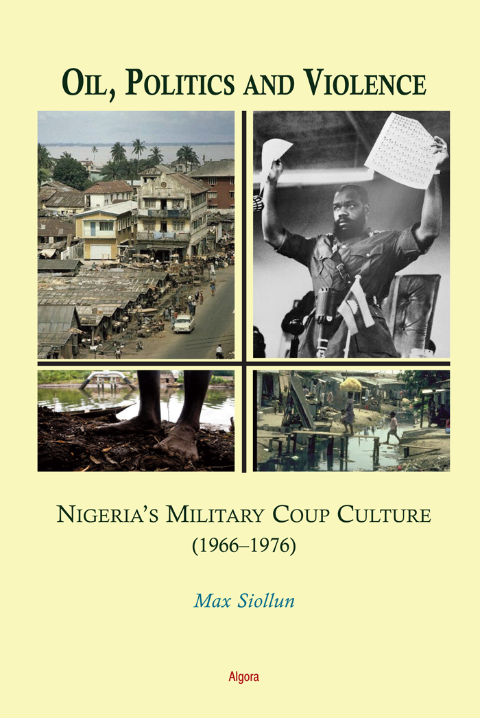
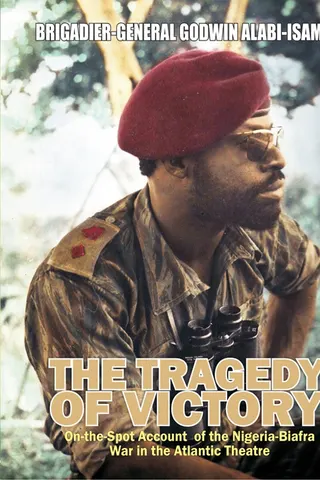
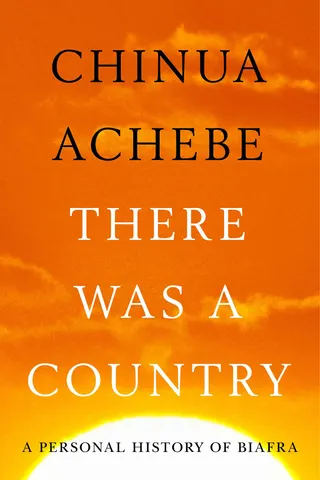
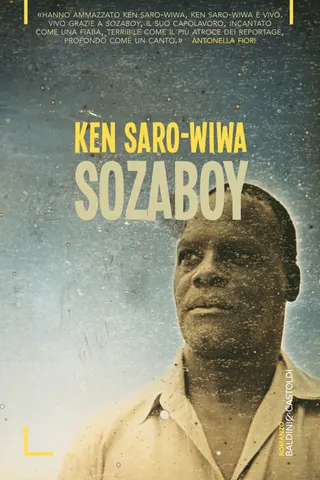
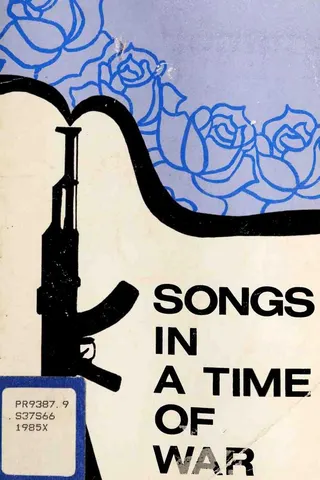
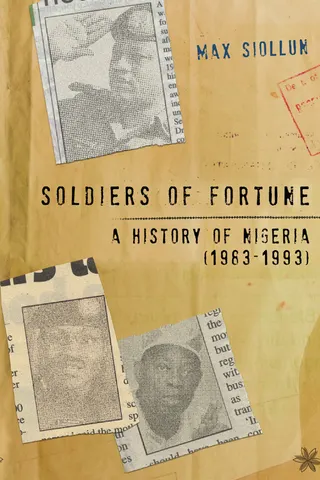
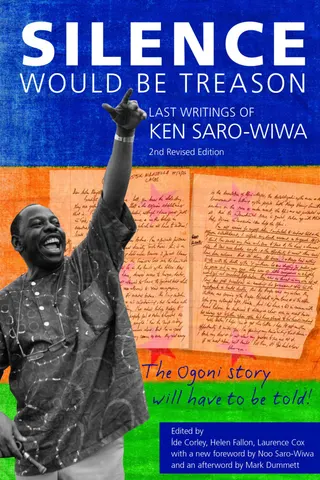
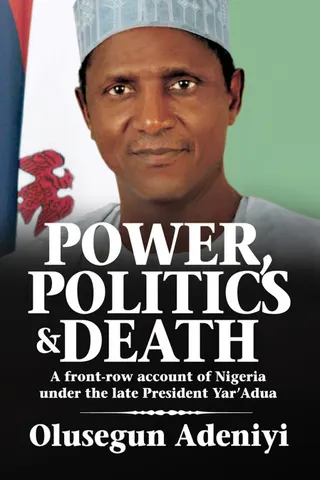
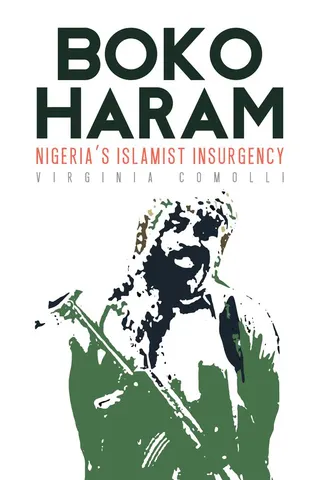
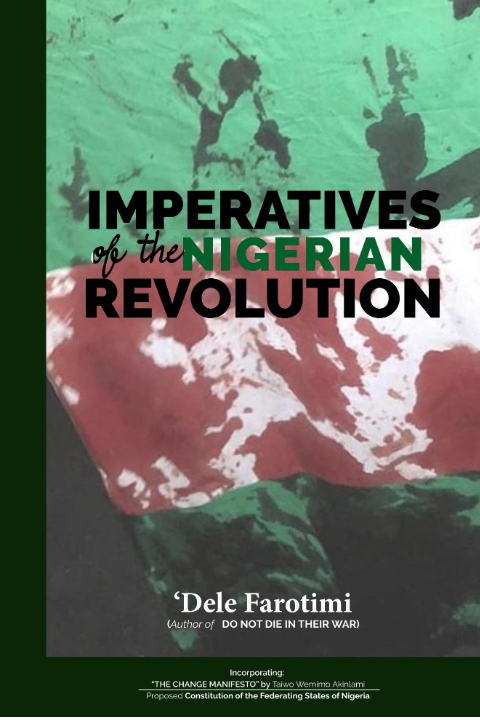
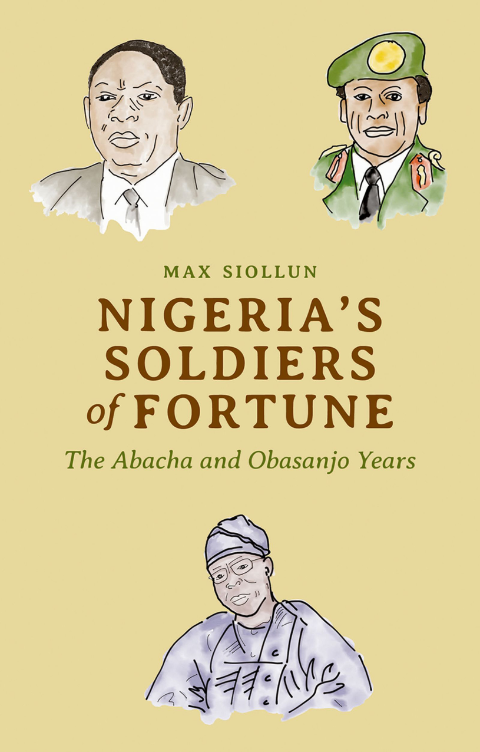
This reading path begins with Nigeria before and under British rule, led by Max Siollun's two clear histories. The second stage, the longest, covers the coups and the civil war through historians, a Biafran official, a federal commander and the novelists and poets who lived through it. The third looks at the long years of military rule and oil, through Siollun again and Saro-Wiwa's last writings. The last turns to the Fourth Republic since 1999: Boko Haram, a president's death in office and the call for a Nigerian revolution.