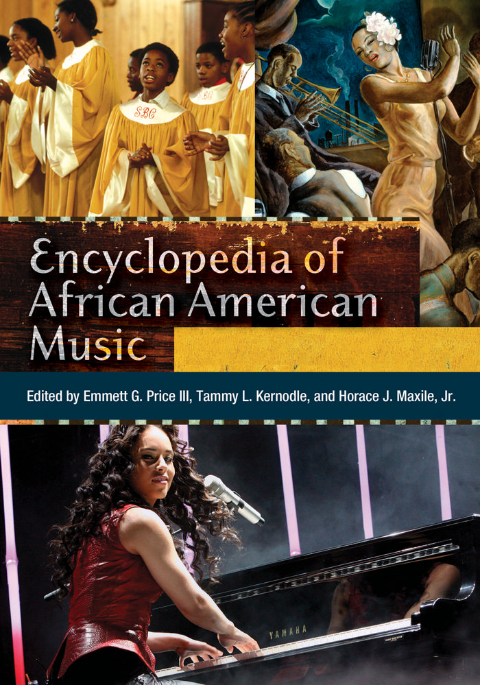
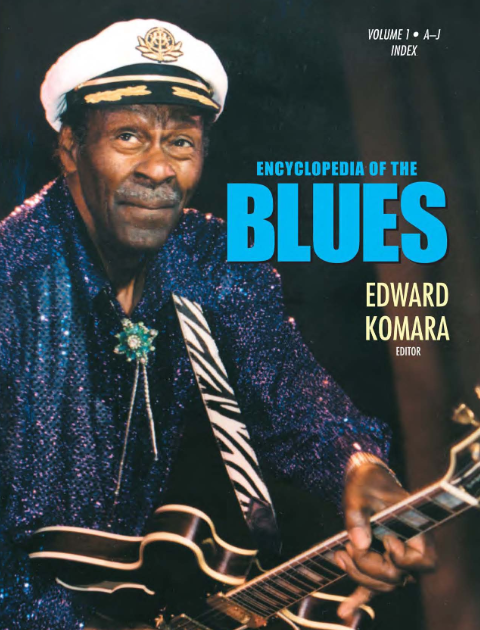
Books on Black music: blues, jazz, gospel, soul and hip hop
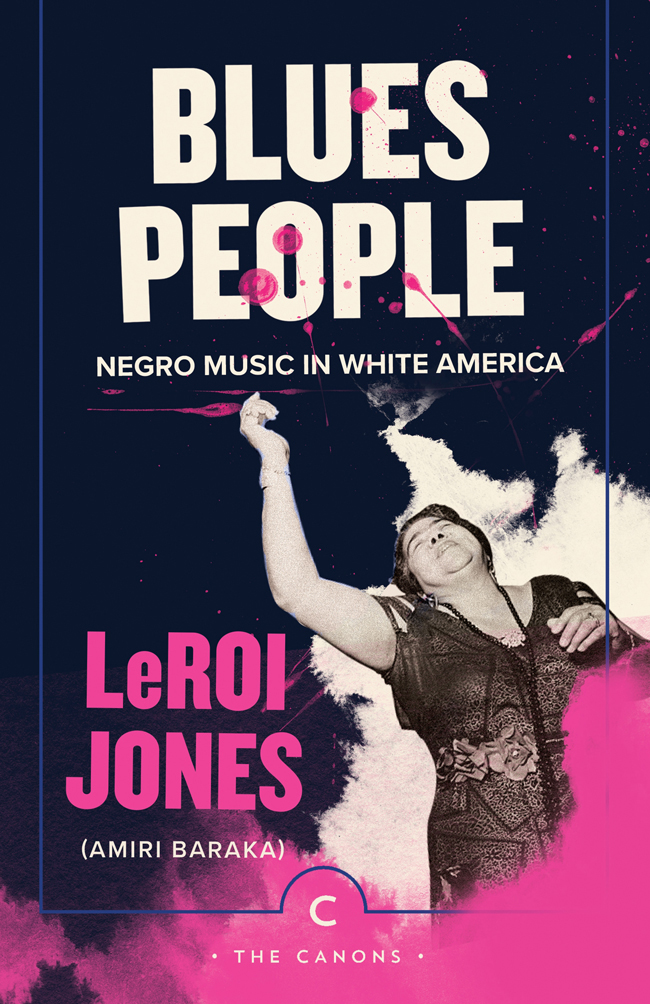
Black music, from the work songs and spirituals of the enslaved to the blues, gospel, jazz, soul, reggae and hip hop, is the African diaspora's great gift to the modern world and one of the best records of its history. It carried African ideas of rhythm, call and response and improvisation across the Atlantic, kept them alive under slavery, and made from them the popular music of the twentieth century. As Amiri Baraka argued in Blues People in 1963, you can read the changing place of Black people in America in the changing sound of their music.
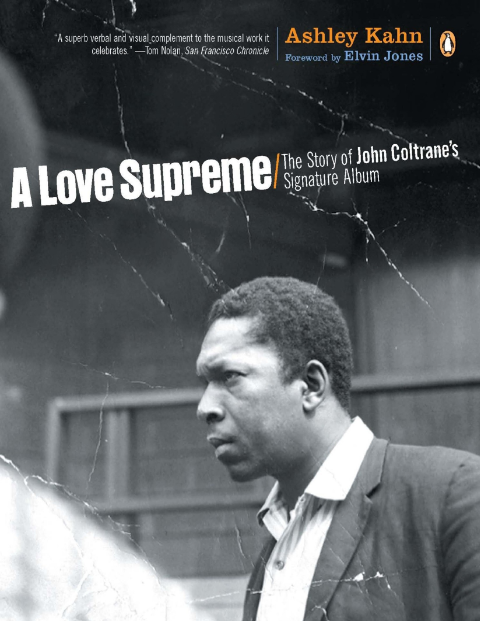
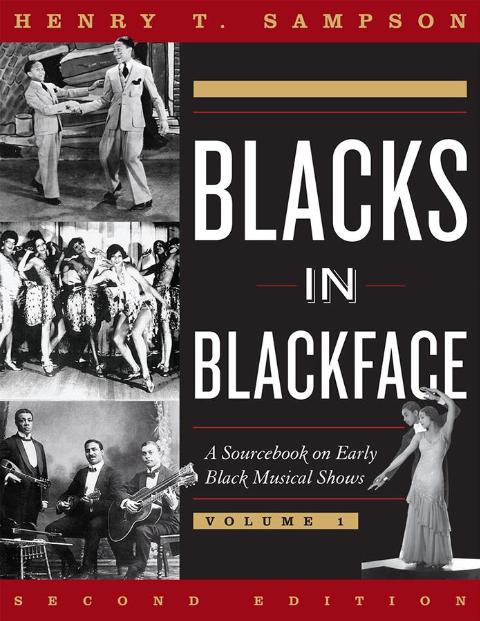
It matters because music has always been political, even when it did not say so. The blues spoke of migration and Jim Crow, gospel powered the civil rights marches, Coltrane's A Love Supreme and the jazz avant-garde were heard as Black Power, and hip hop gave a voice to the burned-out Bronx. The industry that profited, from minstrel shows to record labels, is part of the story too.
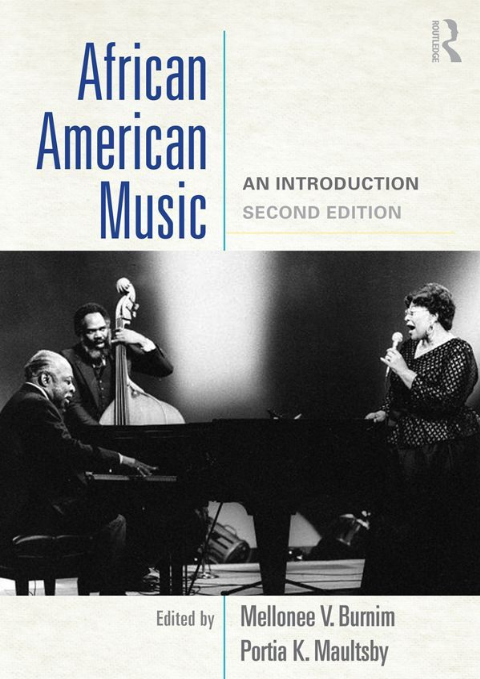
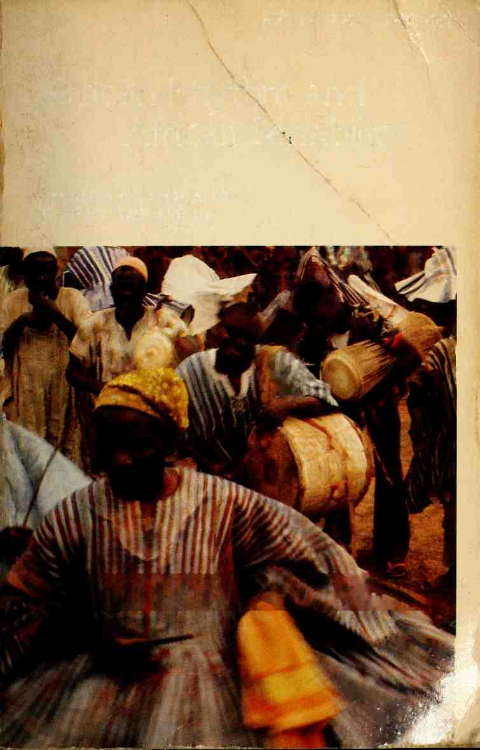
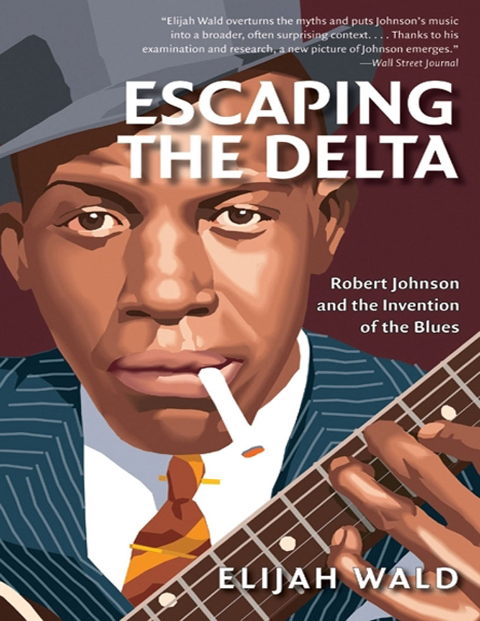
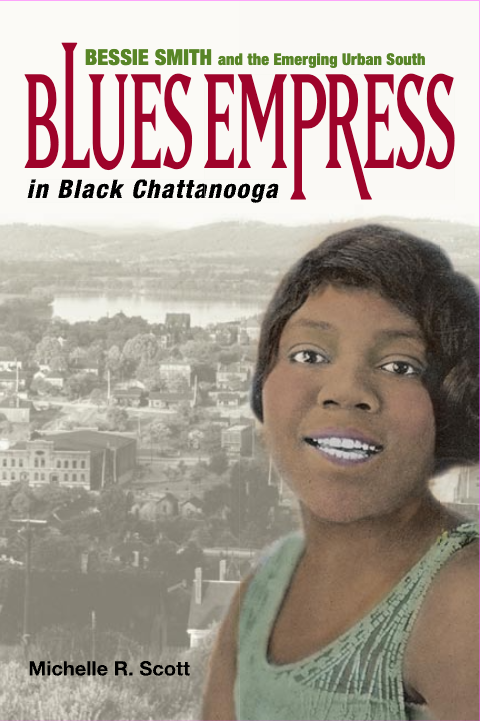
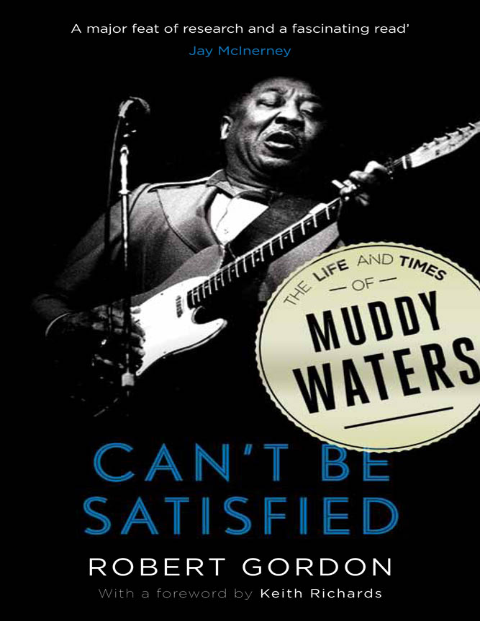
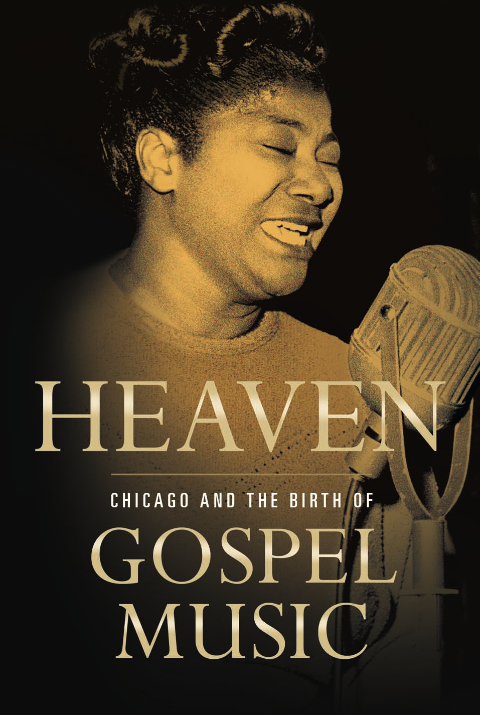
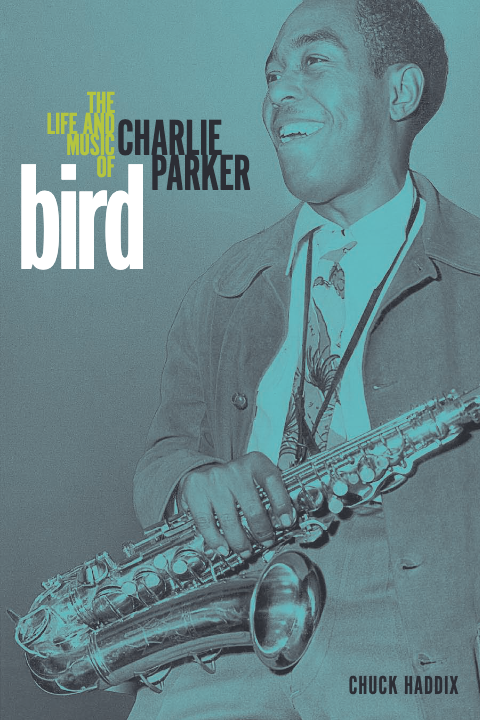
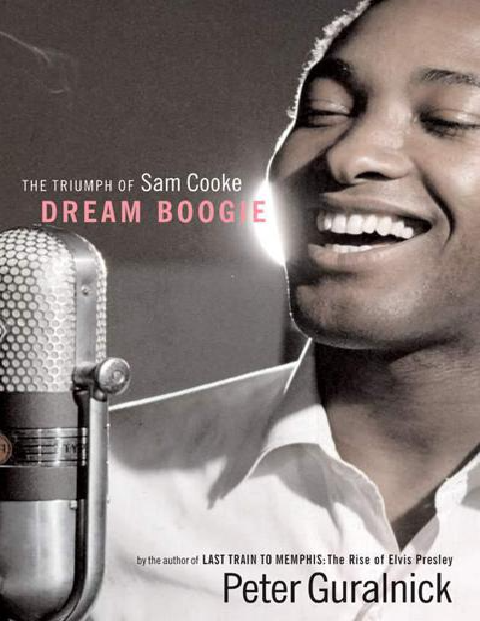
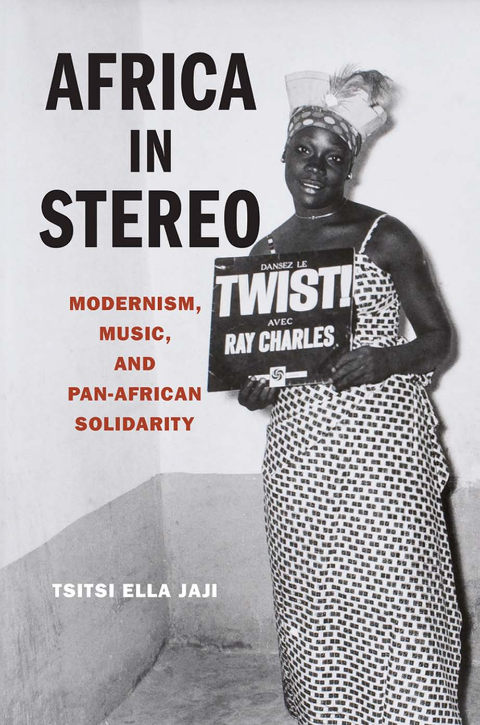
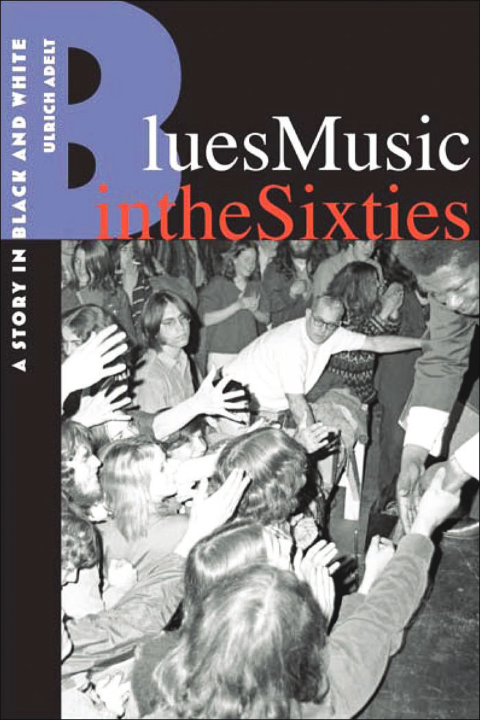
This reading path starts with Baraka's classic, a general introduction to African American music, Craig Werner's history of music and race since the 1950s, and John Miller Chernoff's study of drumming in Ghana, to hear the African roots. The second stage follows the blues and gospel, from Robert Johnson and Bessie Smith to Muddy Waters, B. B. King and Chicago's gospel churches. The third is jazz and soul: Charlie Parker, John Coltrane, Sam Cooke and Baraka again. The last turns to hip hop and the music of the wider diaspora, from Africa and the Caribbean to revolutionary Cuba.