Books on decolonising the mind, culture and consciousness
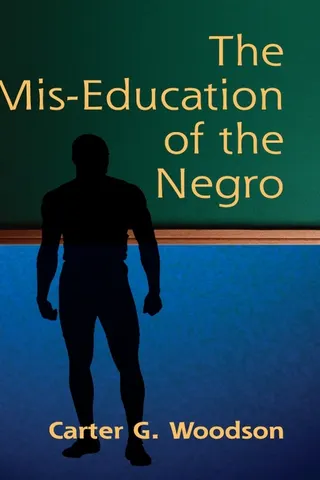
Culture and consciousness is about the battle over how people see themselves and the world: how domination works not only through armies and markets but through schools, language, religion, the news and art, and how oppressed people take back their own minds. Carter G. Woodson put it plainly in 1933: control a man's thinking and you need not worry about his actions.
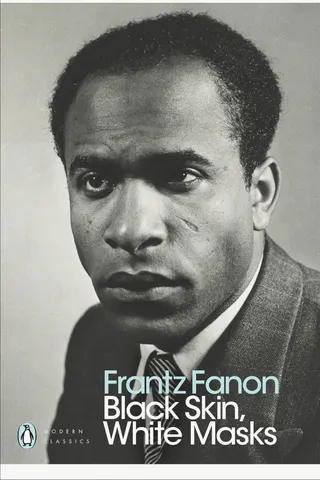
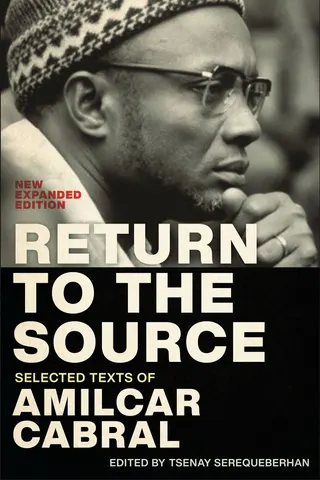
It matters because every liberation movement found that political independence was not enough. Fanon, a psychiatrist from Martinique, studied what colonial racism does to the inner life; Amílcar Cabral, leading the war against Portugal in Guinea-Bissau, argued that national liberation is necessarily an act of culture; Ngũgĩ wa Thiong'o stopped writing novels in English and turned to Gĩkũyũ. Their questions are alive wherever people ask who writes the textbooks and who owns the screens.
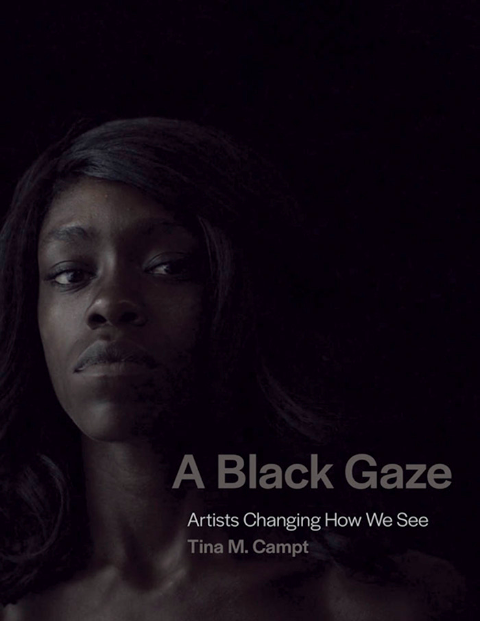
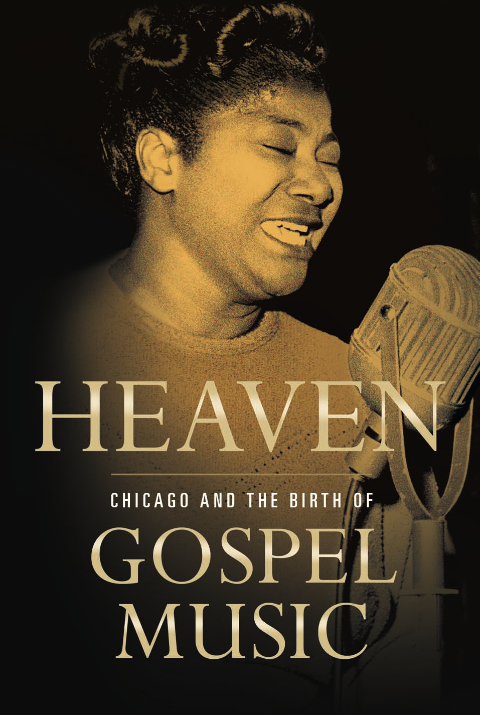
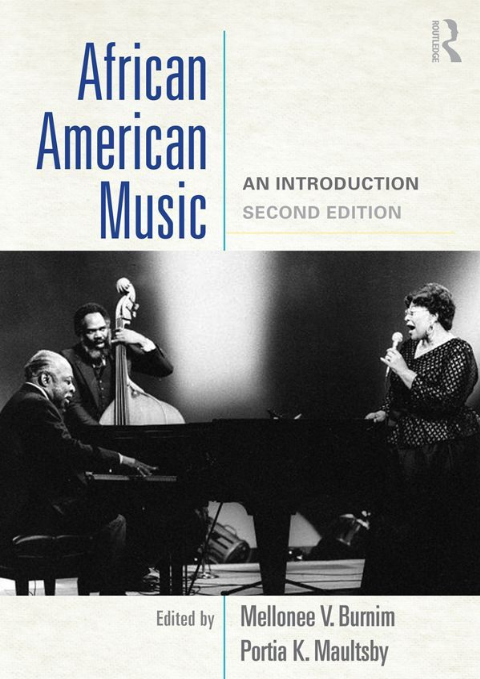
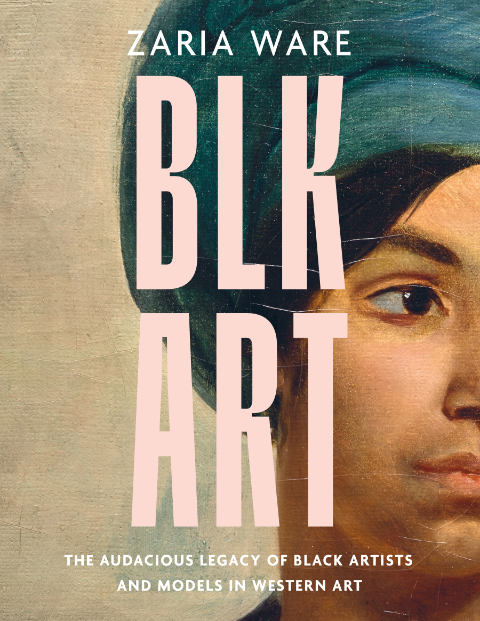
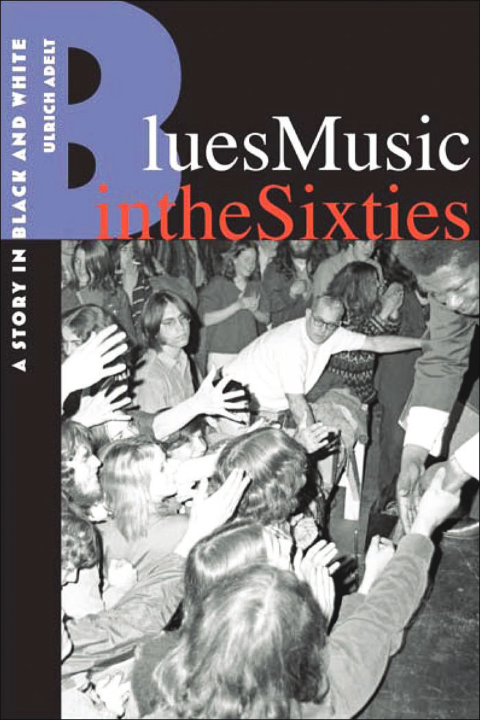
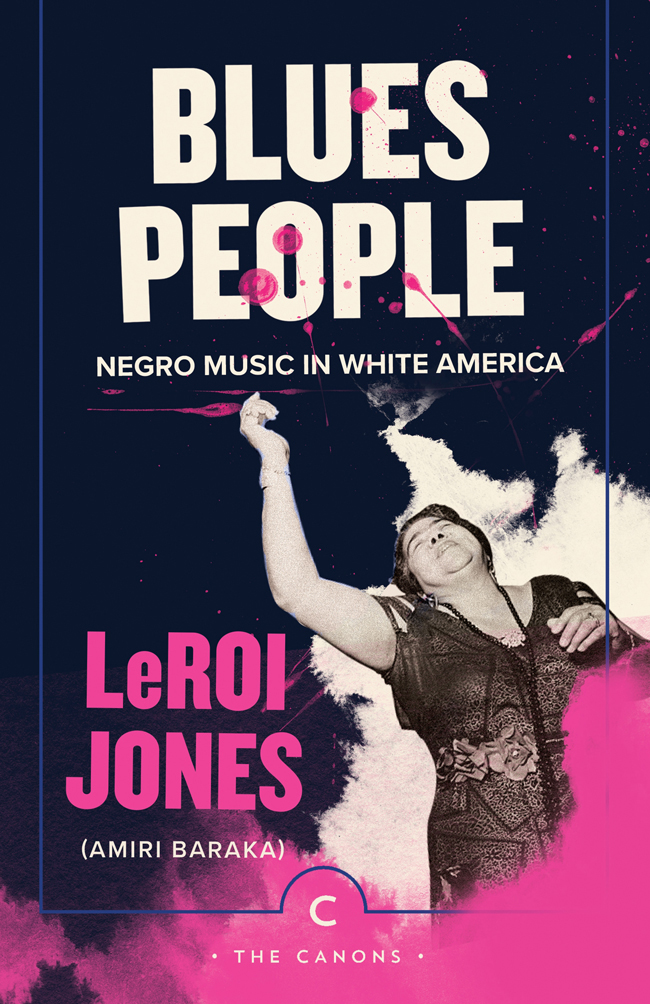
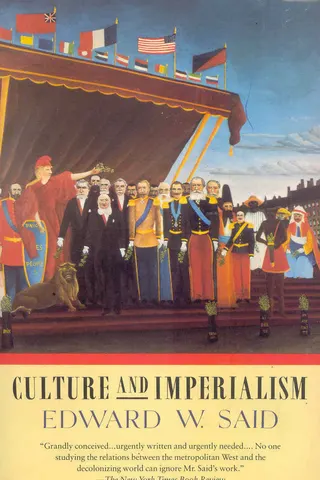
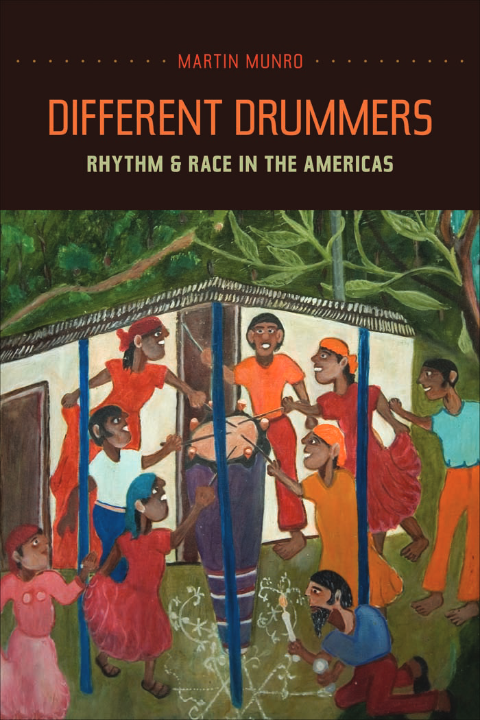
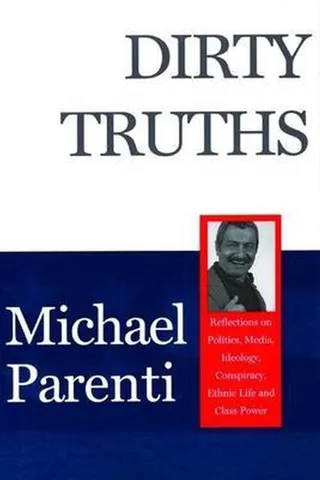
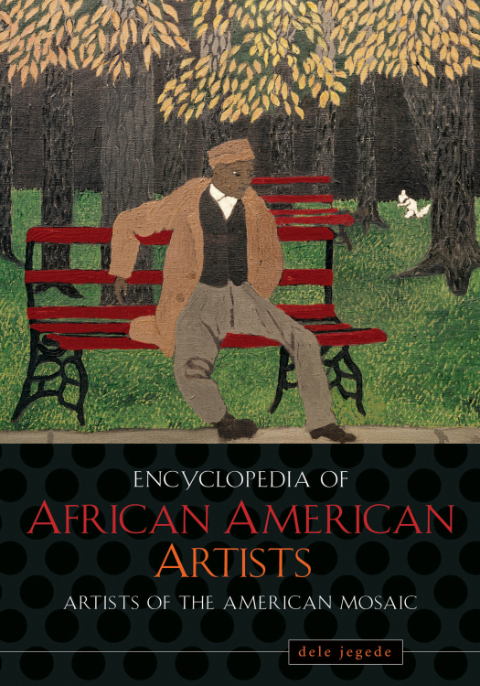
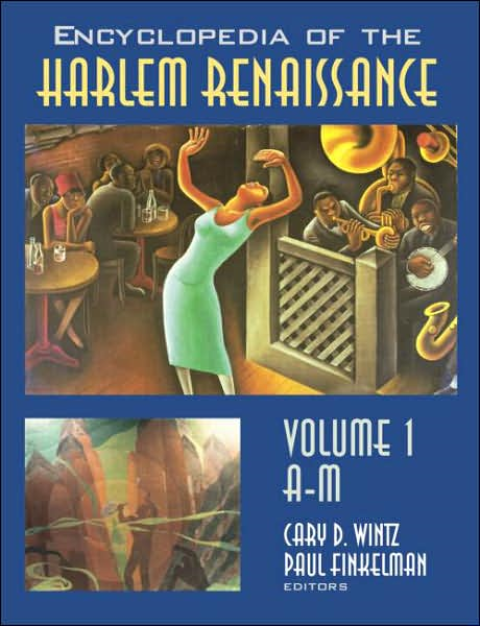
This reading path starts with four short classics on the colonised and miseducated mind. The second stage gathers the African and Caribbean thinkers who made culture a front of the liberation struggle. The third looks at how power manufactures common sense in the West itself, through Orientalism, the mass media and the feeling that there is no alternative to capitalism. The last stage turns to Black art, music and criticism as places where another consciousness was made: the blues, the gardens of Black women's creativity, the oppositional gaze and hip hop.