Books on the Mau Mau uprising and Kenya's fight for independence
The Mau Mau uprising was the armed revolt of the Kenya Land and Freedom Army against British colonial rule in the 1950s, rooted above all in the loss of Gikuyu land to white settlers in the 'White Highlands'. Britain declared a State of Emergency in October 1952, jailed Jomo Kenyatta after a rigged trial, and fought the guerrillas in the forests of Mount Kenya and the Aberdares while detaining tens of thousands of Kenyans in camps and fortified villages where torture was routine. The forest leader Dedan Kimathi was captured in 1956 and hanged in February 1957. Kenya became independent on 12 December 1963.
It matters because the war's truth was buried for decades, by Britain, which destroyed or hid its files, and by Kenya's independence government, which preferred to forget the fighters. Only in 2013 did the British government, facing a lawsuit by elderly survivors, agree to pay £19.9 million to 5,228 Kenyans tortured in the camps. And the question the fighters asked, who gets the land and the freedom, ran through Kenyan politics long after Uhuru.
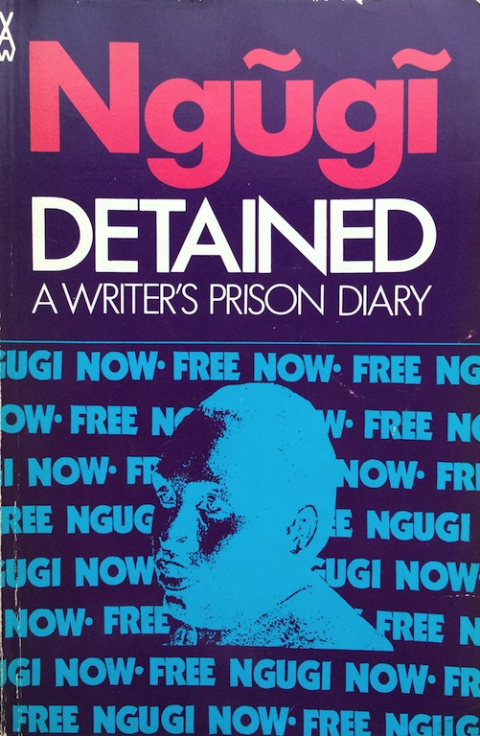
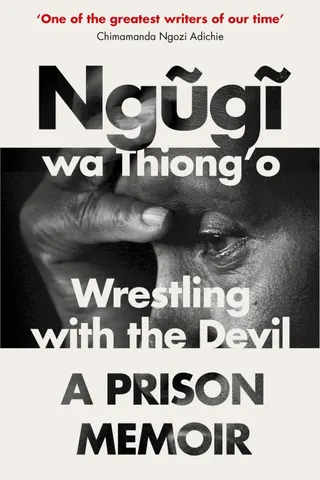
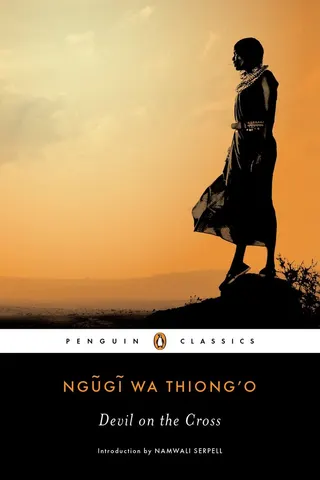
This reading path starts with three histories of the revolt and its roots among the squatters of the Rift Valley. The second stage turns to the novels and memoirs of Ngũgĩ wa Thiong'o, who grew up during the Emergency and made it the heart of his early work. The third follows Kenya after independence, when Ngũgĩ himself was jailed for a play in Gĩkũyũ and the betrayal of the Mau Mau generation became a theme of the country's fiction.