Books on apartheid and the struggle against it in South Africa
Apartheid, Afrikaans for 'separateness', was the system of white-minority rule and enforced racial segregation that South Africa's National Party built after winning the whites-only election of 1948. It classified every person by race, stripped Black South Africans of citizenship in favour of ethnic 'homelands', controlled their movement with pass laws, and reserved land, jobs and schools for whites. It was fought for over four decades: at Sharpeville in March 1960, where police killed 69 people protesting the pass laws; by the armed struggle of Umkhonto weSizwe from 1961; by the Black Consciousness Movement and the Soweto students of June 1976; and by the unions, civic groups and international boycott of the 1980s. Nelson Mandela was freed in February 1990, and South Africa held its first democratic election on 27 April 1994.
It matters because South Africa's struggle was a Pan-African cause, supported by the frontline states and the whole continent, and because the questions it left behind, about land, wealth and who belongs, are still open.
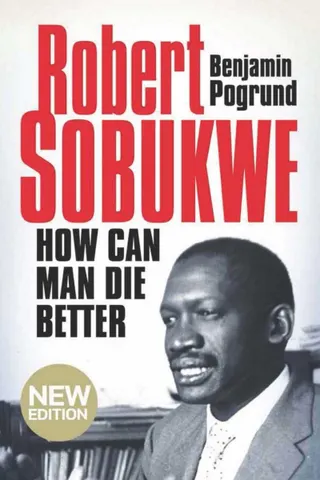
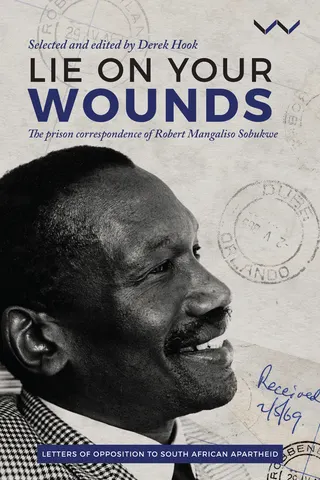
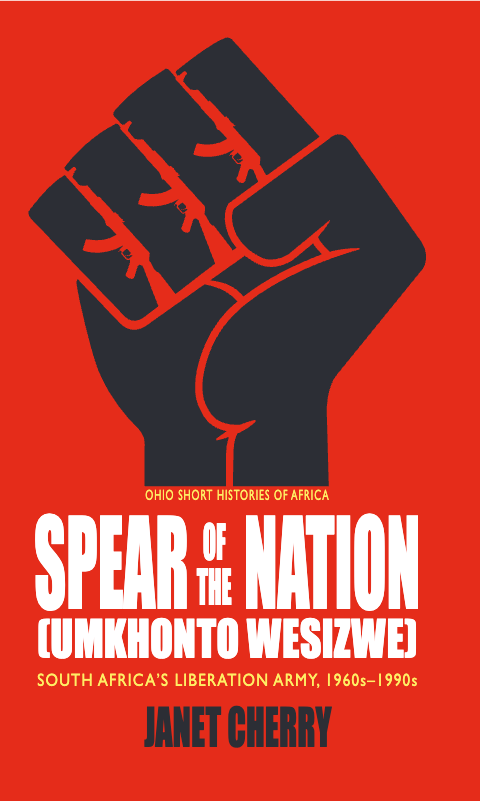
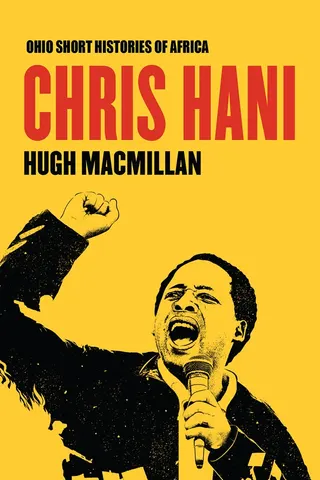
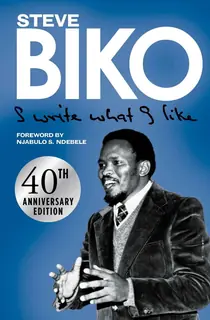
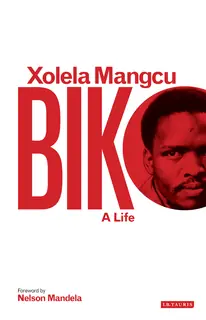
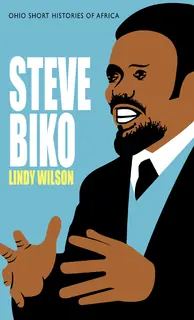
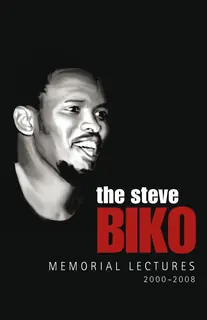
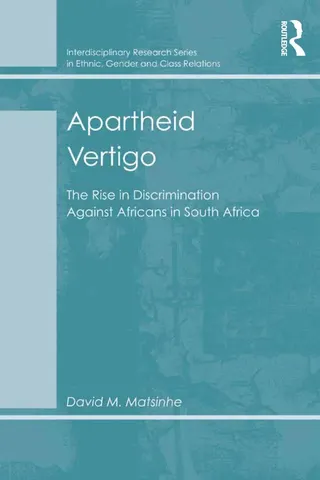
This reading path starts with a history of apartheid and the people who led resistance to it: Robert Sobukwe, who called the anti-pass protest that ended at Sharpeville, Umkhonto weSizwe and Chris Hani. The second stage is Steve Biko and Black Consciousness, in his own writings and through those who knew him. The last looks at South Africa since 1994: Thabo Mbeki's presidency, the memorial lectures given in Biko's name, and the xenophobic violence against other Africans that one sociologist calls 'apartheid vertigo'.